Advanced HCI Theory & Methods
Introduction
The Advanced Human-Computer Interaction module is part of a Masters program aimed at refreshing and expanding qualitative and quantitative research methods. This module included five assignments designed to cover a wide array of HCI-related topics.
Assignments
Four of the assignments were conducted in teams and required creating presentations or reports based on specific studies:
- Throwing Accuracy Study: Conducted experiments with participants throwing objects of varying weights at targets, both while blindfolded and not blindfolded.
- Interviews & Analysis: Conducted interviews about people's daily physical activities, then analyzed and coded the results.
- Diary Studies: Researched and presented on methods and applications of diary studies.
- Contextual Inquiry and Work Models: Conducted a study within a bakery, focusing on one employee and analyzing work models.
Final Project
The final individual project focused on examining transport and technology, taking a user-centered design approach. The study explored the acceptance of technology in casual cycling and included two primary methods:
- Semi-structured Interviews: Short interviews to understand user needs and perceptions.
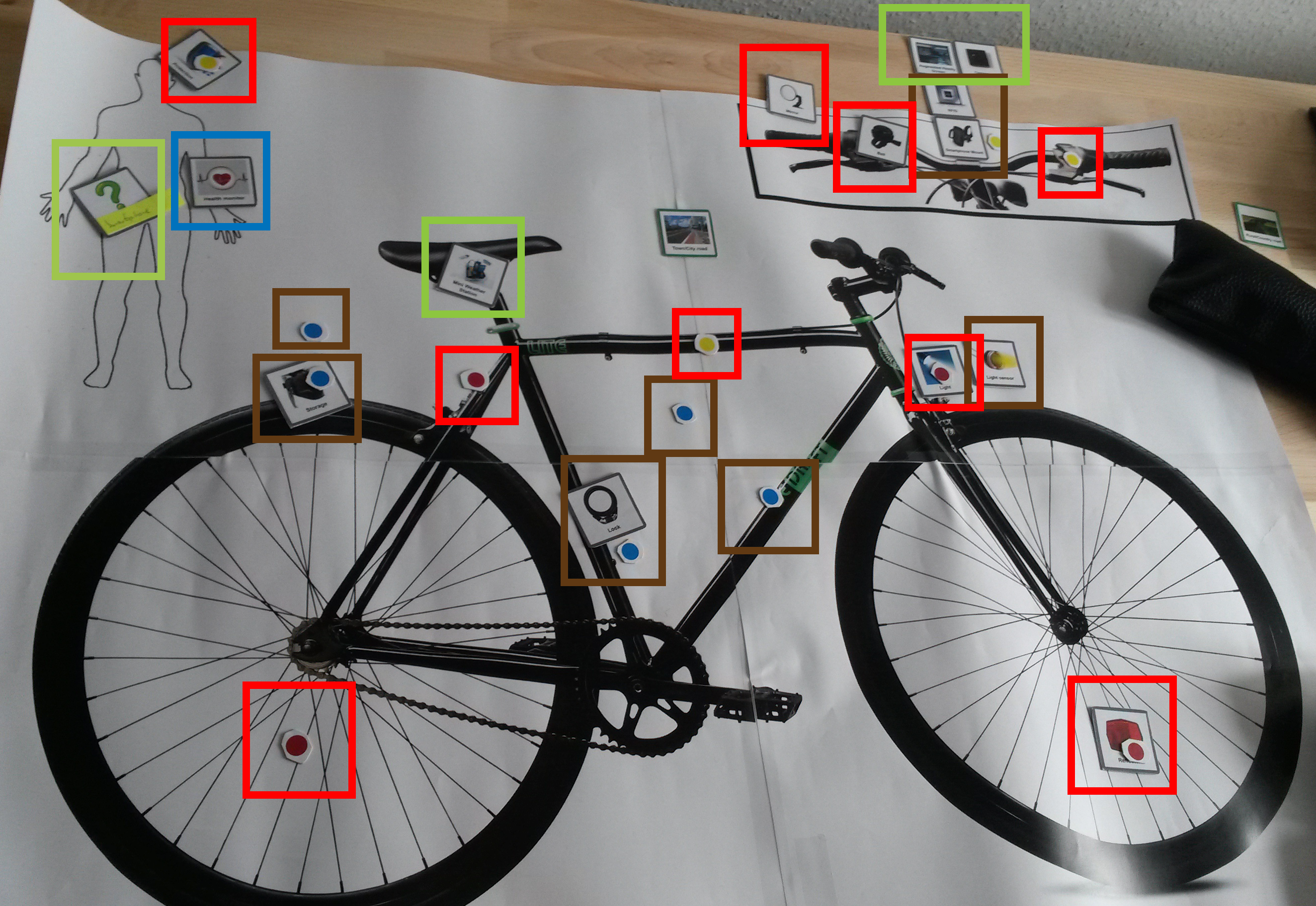
- Cooperative Design: Participants were given tools to visually design their ideal, tech-enhanced bicycle using:
- A diagram with a human figure and bike.
- Technology cards.
- Tokens to represent features.
The participants explored and explained their choices during the design process.
Results
Analyzed data from recorded videos and images identified ten themes from user-designed bicycles. The top emerging themes included:
- Safety
- Comfort
- Convenience
Visual Summary